
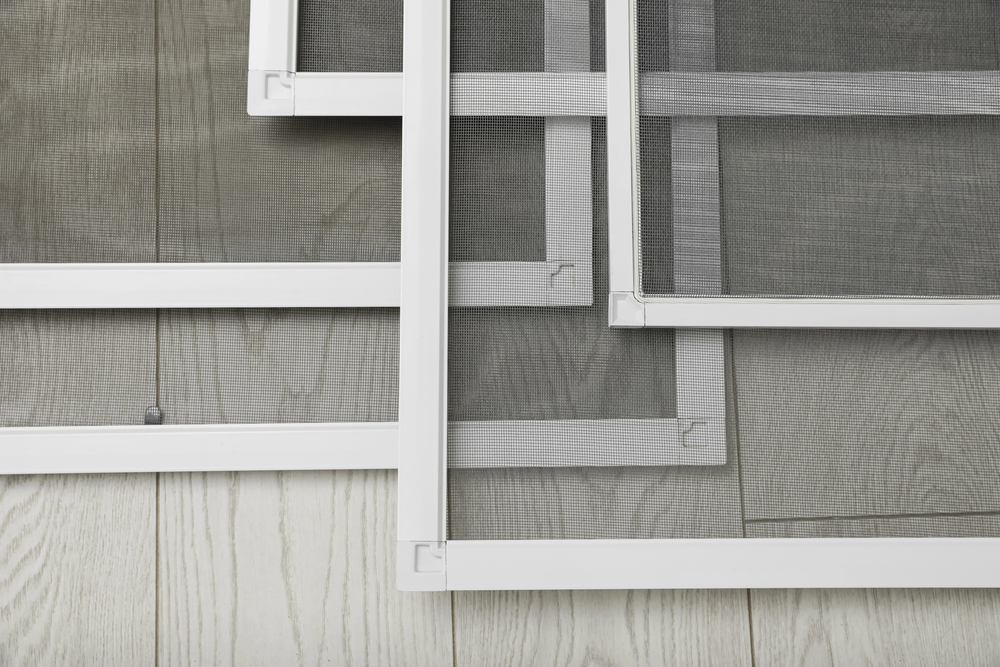
When people think about multifamily housing upgrades, their minds usually go to big-ticket items—appliances, flooring, or smart home tech. But one of the most quietly impactful features in any apartment community is far simpler: window screens. Often overlooked, these modest fixtures play a critical role in comfort, health, maintenance costs, and even resident satisfaction.
Why Window Screens Matter More Than You Think
At their core, window screens serve a straightforward purpose—keeping insects and debris out while allowing fresh air in. But in multifamily housing, their value extends well beyond that basic function.
For residents, screens provide a way to enjoy natural ventilation without inviting pests inside. In buildings where airflow can be limited, especially older properties, this becomes essential. Fresh air improves indoor comfort and can even contribute to better sleep and overall well-being.
From a property management perspective, intact and well-maintained screens help prevent issues before they start. Without them, open windows can allow insects, leaves, and debris to enter units, leading to more frequent cleaning requests and potential pest control problems.
Durability and Material Choices
Not all window screens are created equal. In multifamily settings, durability is key. Screens experience more wear and tear due to frequent tenant turnover, varying levels of care, and environmental exposure.
Common materials include:
- Fiberglass mesh: Affordable and flexible, but more prone to tearing.
- Aluminum mesh: Stronger and more durable, though it can dent.
- Pet-resistant screens: Heavier-duty options designed to withstand claws and pressure—ideal for pet-friendly communities.
Frame construction also matters. Aluminum frames are standard due to their resistance to rust and warping, but reinforced corners and thicker gauges can significantly extend lifespan.
Maintenance and Replacement Strategies
One of the biggest challenges in multifamily housing is keeping window screens in good condition across dozens—or hundreds—of units. A proactive approach can save time and money.
Best practices include:
- Routine inspections during unit turns or maintenance visits
- Standardized sizing to simplify replacements
- Bulk purchasing to reduce costs
- Clear tenant guidelines on proper use and reporting damage
Rather than waiting for residents to report issues, many property managers are shifting toward scheduled screen checks as part of preventive maintenance programs.
Balancing Cost and Value
Window screens are relatively inexpensive, but neglecting them can lead to higher costs down the line. Pest control treatments, increased maintenance calls, and resident dissatisfaction all add up.
Investing slightly more upfront in durable materials or better construction can reduce replacement frequency and labor costs. In competitive rental markets, small details like intact, clean screens can also influence a prospective tenant’s impression during a tour.
Safety and Compliance Considerations
In some regions, window screens also play a role in safety—particularly in buildings with children. While they are not a substitute for window guards, well-fitted screens can provide an additional layer of protection and peace of mind.
Property owners should always be aware of local building codes and safety regulations, ensuring that screens meet any applicable standards.
A Small Feature with Big Impact
In the grand scheme of multifamily housing operations, window screens might seem minor. But their impact is anything but. They contribute to healthier living environments, reduce maintenance headaches, and enhance the overall resident experience.
For property managers and owners looking to improve their communities without major capital investment, window screens are a smart place to start. Sometimes, it’s the simplest upgrades that make the biggest difference.
Ready to upgrade your multifamily property with durable, high-quality window screens? Call Davidson Sash & Door today at (800) 472-7274 to learn more about the right solutions for your community.
Follow us on Facebook for more property improvement tips, product updates, and industry insights.