
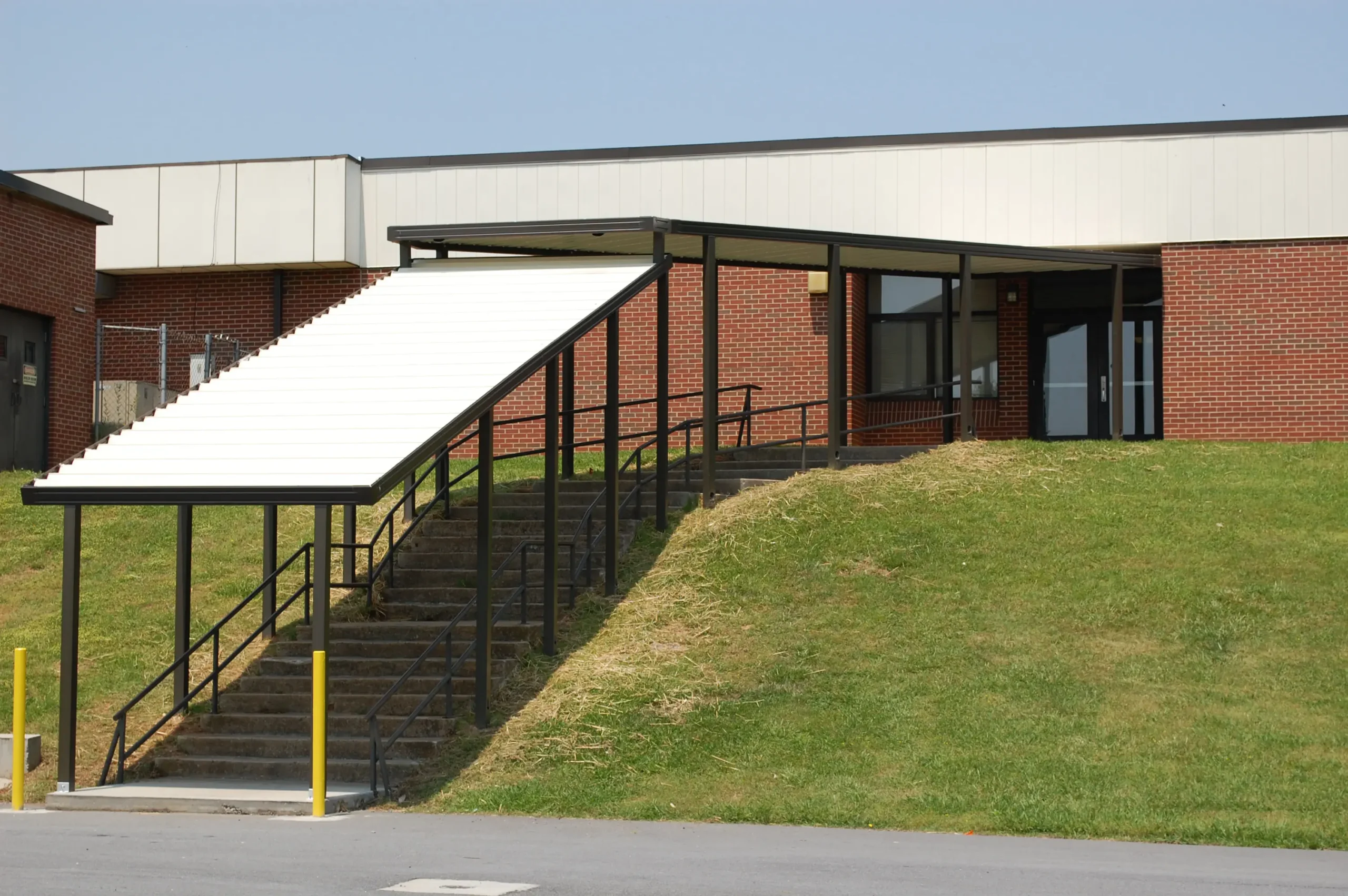
Outdoor walkways are an essential part of many properties, including schools, hospitals, commercial buildings, and residential complexes. However, exposure to harsh weather conditions can make these pathways uncomfortable and unsafe. Walkway covers provide an effective solution by protecting pedestrians from rain, snow, and intense sunlight while improving the overall appearance of the property.
In this guide, we’ll explore everything you need to know about walkway covers, including their benefits, types, materials, and how to choose the best option for your space.
What Are Walkway Covers?
Walkway covers, also known as covered walkways or walkway canopies, are structures installed over pedestrian pathways to provide shelter and protection from weather conditions.
These structures typically consist of:
- A strong support frame made from aluminum or steel
- A roofing system such as polycarbonate panels, metal roofing, or fabric membranes
- Anchoring and drainage systems for stability and durability
Walkway covers are commonly installed between buildings, parking areas, entrances, or across outdoor corridors to create safe and comfortable pedestrian routes.
Benefits of Installing Walkway Covers
1. Protection From Weather
One of the biggest advantages of covered walkways is protection from rain, snow, and strong sunlight. This keeps pedestrians dry and comfortable while walking between buildings.
2. Increased Safety
Wet walkways can become slippery and dangerous. Walkway covers help keep pathways dry and reduce the risk of slips and falls.
3. Improved Accessibility
Many campuses and facilities install walkway canopy systems to ensure safe and accessible routes for students, employees, patients, and visitors.
4. Energy Efficiency
Covered walkways provide shade, which can help reduce heat around building entrances and lower cooling costs in nearby indoor spaces.
5. Enhanced Property Appearance
Modern walkway cover designs add architectural value and improve the professional appearance of commercial or residential properties.
Metal Roof Walkway Covers
Metal walkway covers are extremely durable and provide excellent protection against heavy rain, snow, and wind. They are widely used in industrial facilities and transportation hubs.
Common Applications for Walkway Covers
Walkway covers are widely used in many environments, including:
- Schools and university campuses
- Hospitals and healthcare facilities
- Corporate office complexes
- Apartment communities
By connecting buildings and outdoor areas, walkway covers create safer and more comfortable environments for pedestrians.
How to Choose the Best Walkway Cover
When selecting a walkway canopy system, consider the following factors:
Climate and Weather Conditions
Choose materials that can withstand local weather conditions such as heavy rain, snow loads, or strong winds.
Material Durability
Aluminum and steel frames provide long-term durability with minimal maintenance.
Design and Aesthetics
Select a design that complements the architecture of your property.
Maintenance Requirements
Some materials require more maintenance than others. Polycarbonate and aluminum are often preferred for their low maintenance needs.
Budget and Installation Costs
Consider both initial installation costs and long-term maintenance expenses when choosing your walkway cover.
Why Businesses Invest in Walkway Covers
For many organizations, installing commercial walkway covers is a smart investment. These structures improve safety, enhance accessibility, and create a better experience for employees, customers, and visitors.
They also help protect building entrances, reduce weather-related damage, and improve the overall functionality of outdoor spaces.
Conclusion
Walkway covers are an excellent solution for protecting outdoor pathways while enhancing the appearance and usability of a property. Whether used in schools, hospitals, office buildings, or residential communities, these structures provide reliable weather protection and improve pedestrian safety.
By selecting the right materials and design, property owners can create durable, attractive covered walkways that add long-term value to their space.